10 Things I've Learned After Spending 2 Months Solo Traveling the World
As cliché as it sounds it really does change you
Dez · Jul 17, 2026 · 16 min read
Somewhere between my third failed attempt at ordering food in a language I didn’t speak while in Ethiopia, and the fourth cup of mint tea a stranger in Marrakech insisted I have “just one more” of, it hit me: I had no idea what I was doing. And that was the whole point.
Two months, 8 countries, 1 suitcase, a barebones itinerary, and a quiet assumption that travel would “figure me out” if I just saw enough places fast enough. It didn’t work like that. What actually changed me was slower, weirder, and a lot less photogenic than I expected. Here’s what two months of solo travel actually taught me — the stuff nobody puts on the packing list.
Travel isn’t always pretty. It isn’t always comfortable. Sometimes it hurts, it even breaks your heart. But that’s okay. The journey changes you; it should change you. It leaves marks on your memory, on your consciousness, on your heart, and on your body. You take something with you. Hopefully, you leave something good behind - Anthony Bourdain
1) Pack less than you think you need
I carried a backpack and a medium check in luggage for this trip, I knew I was going to buy clothes to wear during this trip but the idea of being gone for 2 months prompted me to cover my bases. Once I came home I realized I only wore 20% of the clothes I packed before the trip as I was mostly wearing clothes I brought during the trip and the access to laundry services allowed me to reuse them more frequently
Depending on what your itinerary entails (every single destination I went to was hot +/- humid) if I had to pack again here’s what I would have brought:
- Capsule wardrobe (max 3-4 outfits)
- One for comfortable sightseeing
- Loose fit tee or nylon shirt (helps with humidity)
- Any wide leg bottoms (culottes, cargos, trousers)
- flowy pants keep you cool
- One Euro summer beach fit
- linen set (shirt + pants/shorts)
- board shorts
- One dressy casual fit (for nice outings)
- shirt
- pants
- One for comfortable sightseeing
- Shoes (MAX 2 pairs)
- Sandals
- I’ve walked 10,000 steps in birks so my feet are used to suffering at this point
- Need something for the toes to breathe after long days of walking
- Chacos or Tevas might be my next purchase
- Comfy low top shoes
- Sambas
- Onitsuka tigers
- I’ve found that wearing low top shoes is better than cushy shoes but note that you have to acclimate your feet to the increased mileage otherwise that’s where the pain starts
- Goal is to also pair with your wardrobe!
- If you can’t handle then swap low tops for comfy walking shoes
- Asics
- Hokkas
- Salomons (if outdoor adventures is included in the trip)
- Sandals
- First Aid kit
- Bonus if there was tiger balm
- Blister bandages
- Cooling wipes
- They saved me in Japan, Vietnam, and Singapore
Aside from the other essentials like toiletries, I felt that these are the ones that made the biggest difference in packing.
2) It’s Okay to Take Things Slow
Most people focus on what I call “itinerary maxxing”. They start their day early, around 7am and try to cover as many attractions as possible within the timeframe that they are there. Another common type is someone who crafted their itinerary on a spreadsheet with every hour in the day accounted for. I’ve noticed that most American travelers operate in a scarcity mindset when traveling, the idea of “I don’t have much time off so everyday must not be wasted sleeping in”. There’s nothing wrong with this approach but for me it seems as if this trip is mainly about crossing chores off the list rather than fully immersing with your surroundings
When I plan, especially for solo trips I’m a Type A when it comes the components that matter most: flights and accommodations but type B for day to day itineraries. I just make a bucket list of what to see and do and cross off accordingly without tying them to a specific day.
Once you’re able to acknowledge that you might not be able to see everything you want in the first time around and you can always return another time to catch the things you missed, figuring out what to do becomes a whole lot easier. Some days I might visit a lot of attractions whereas other days I sit at park or at a café in a bustling market drinking coffee or tea and just people watch.
3) It’s Not a Waste of Time Visiting the Same Places Again
I now have 31 countries under my belt and within the last few years I’ve double dipped on places like Rome, Vancouver, and Tokyo. It’s very tempting to just cross places off the list and call it a day but recently I’ve started to appreciate the places more when you revisit them.
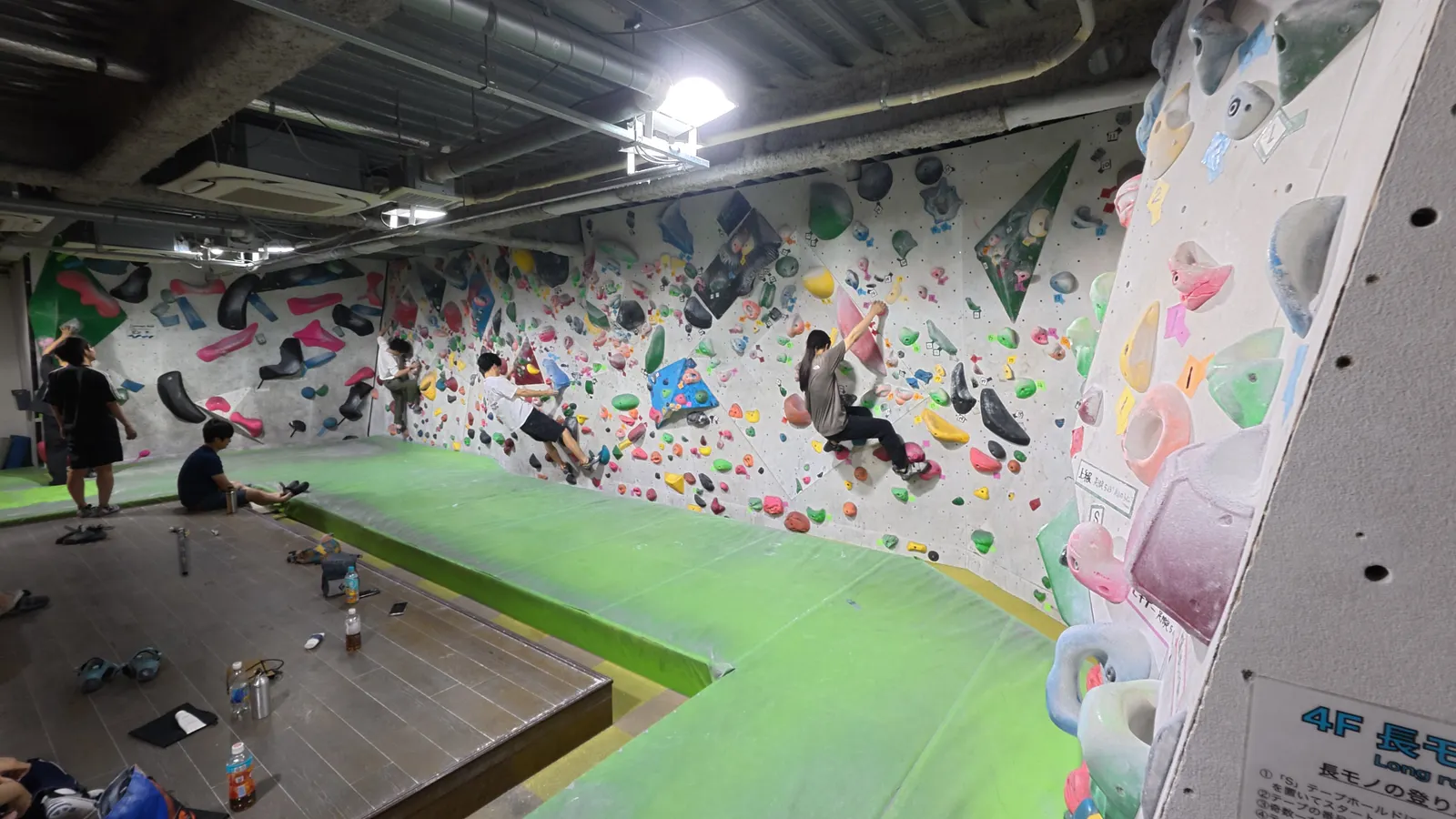
In my latest trip, I went back to Tokyo and this time felt a lot different compared to the first time I went. The previous time I went felt more exhausting because I was mostly sightseeing which meant clocking 20,000 steps a day on average. This time around it was more relaxed because I’ve seen a lot of the touristy stuff so I was able to focus purely on shopping and dining. I even got to go bouldering and a JDM touge run this trip which was one of the highlights.
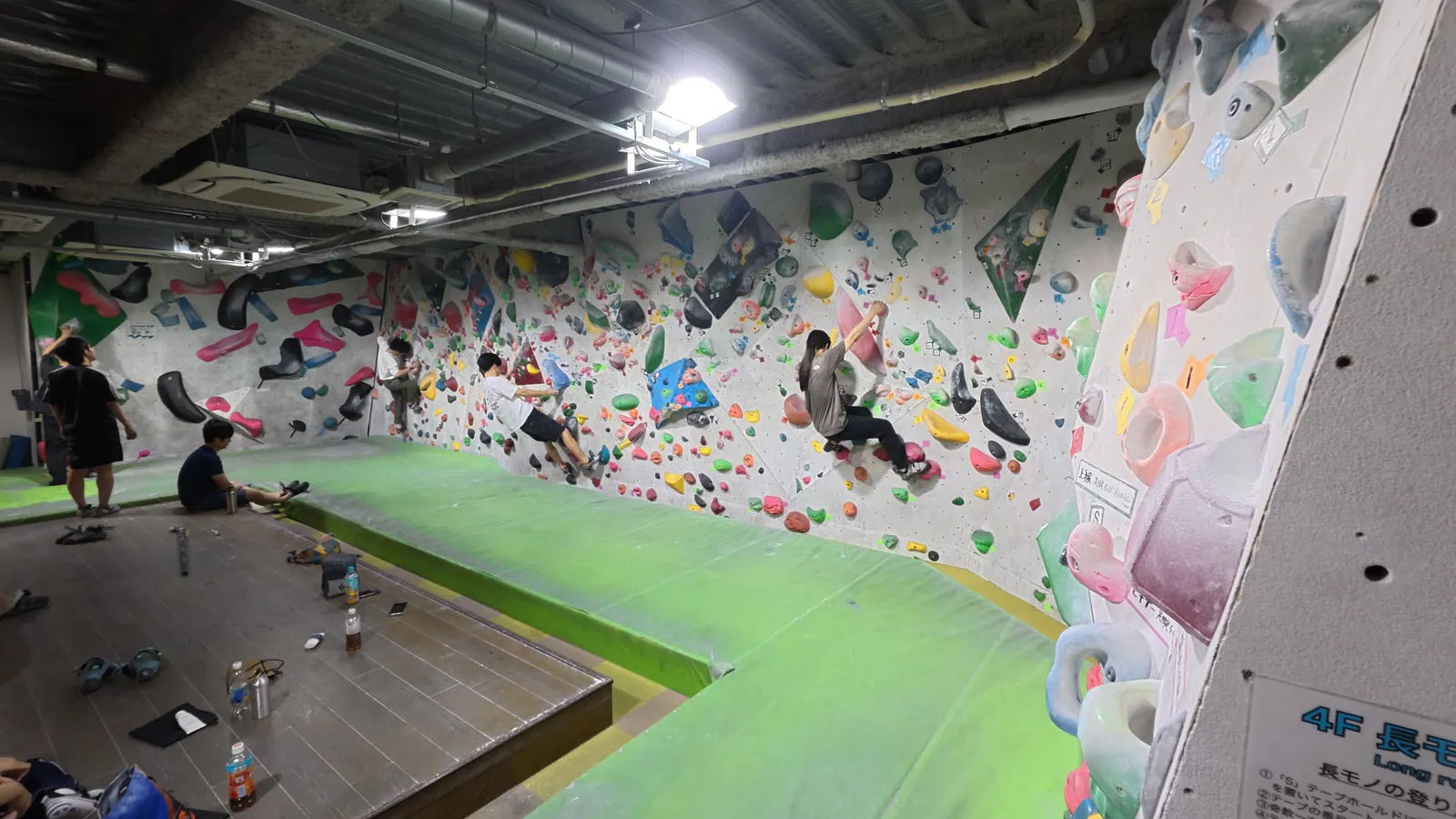
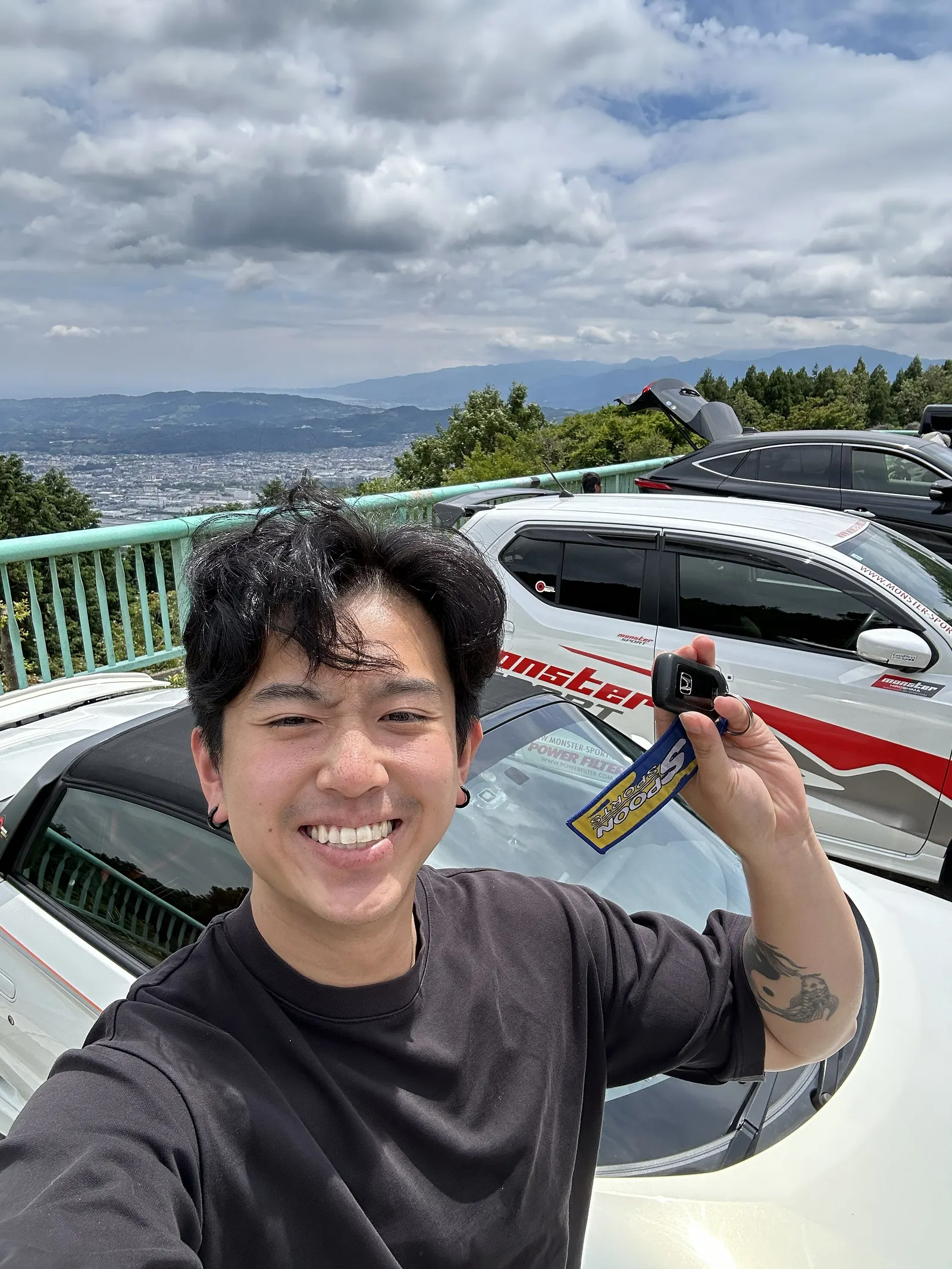
An added bonus is that I found out about LUUP which is Japan’s version of Lime/Baywheels so that really saved me from walking a lot this time around
4) Get Lost Every Now and Then
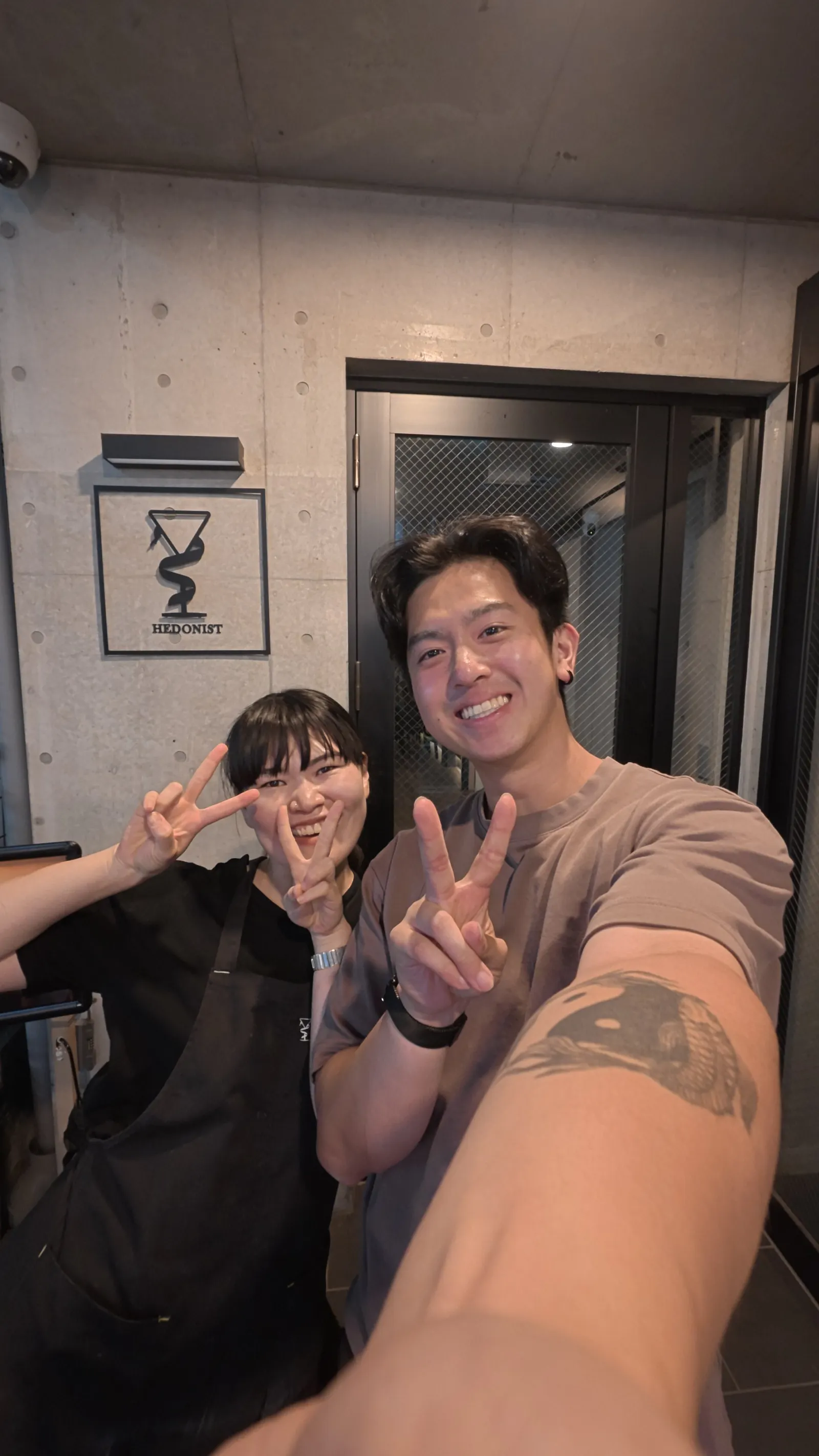
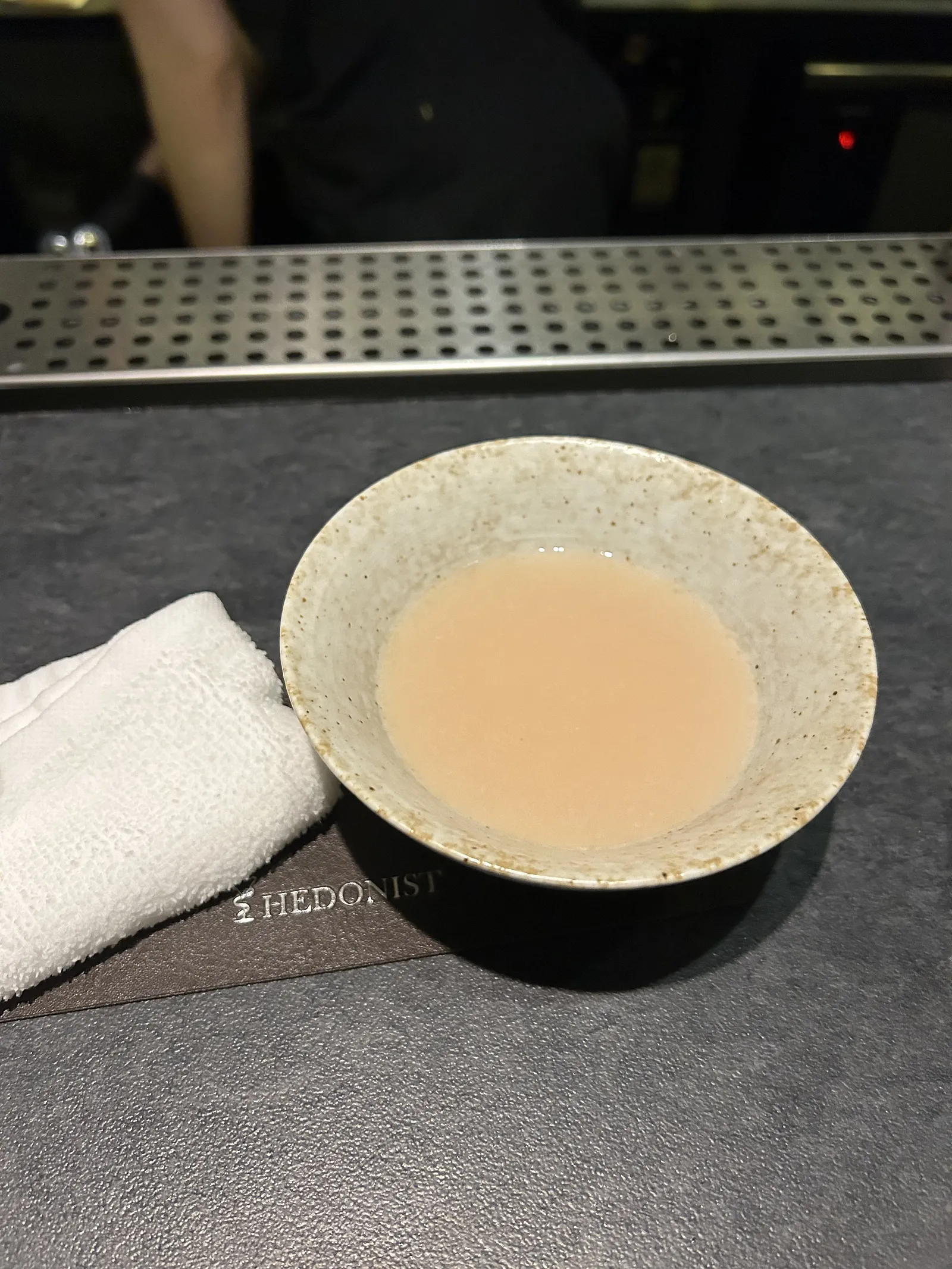
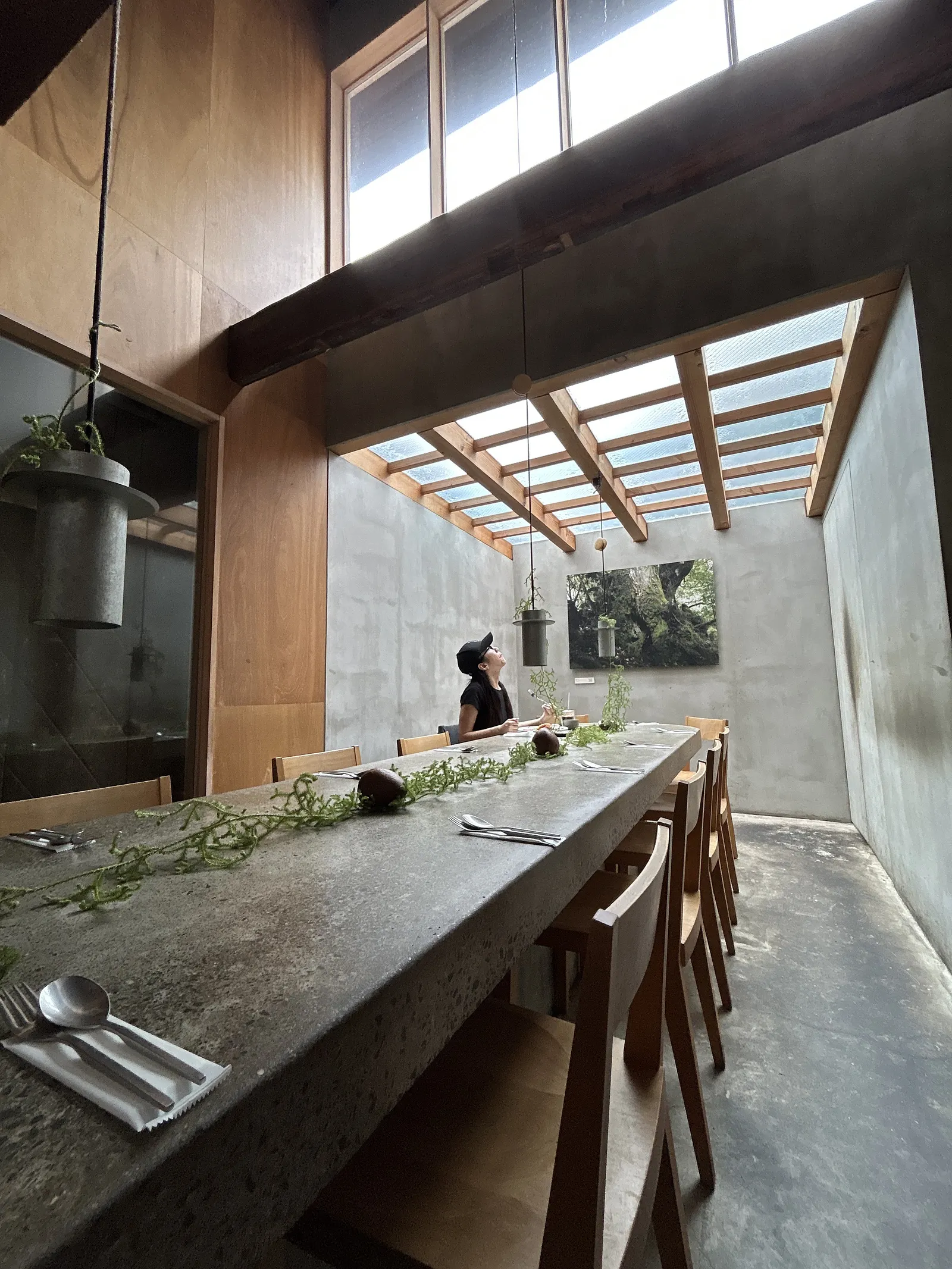
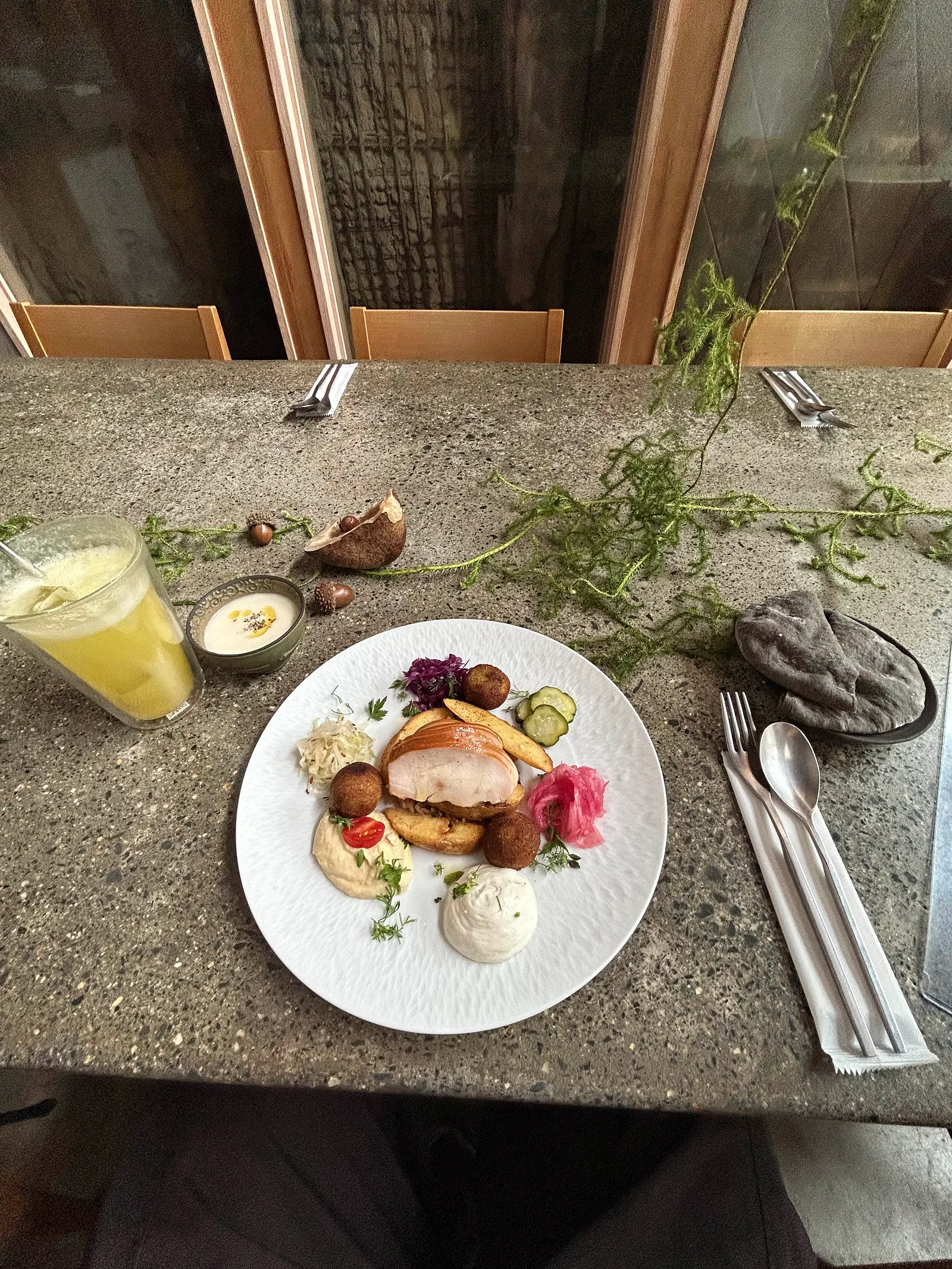
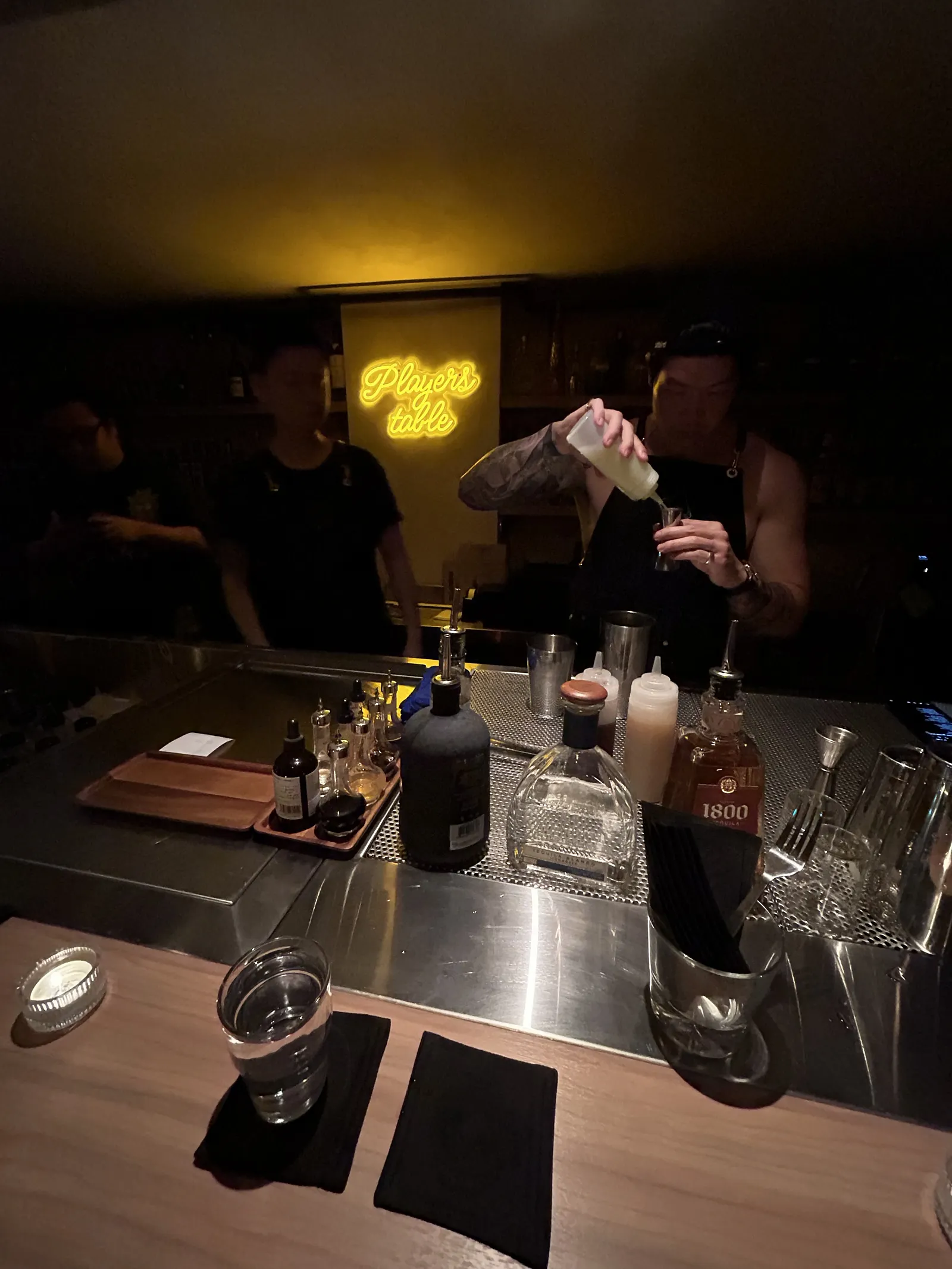
I don’t mean wander around aimlessly looking for trouble or becoming an potential victim of petty crimes, but to explore places without the need to adhere to a strict itinerary. I went on a day trip from Osaka to Kyoto one day with a laundry list but ended up getting carried away wandering malls, a car studio and even stumbled upon a cocktail bar which I ended up loving so much and recommended to all my friends who were going to head to Osaka! Another bonus was that I stumbled upon a Lebanese restaurant with Japanese chefs who were passionate about the cuisine.
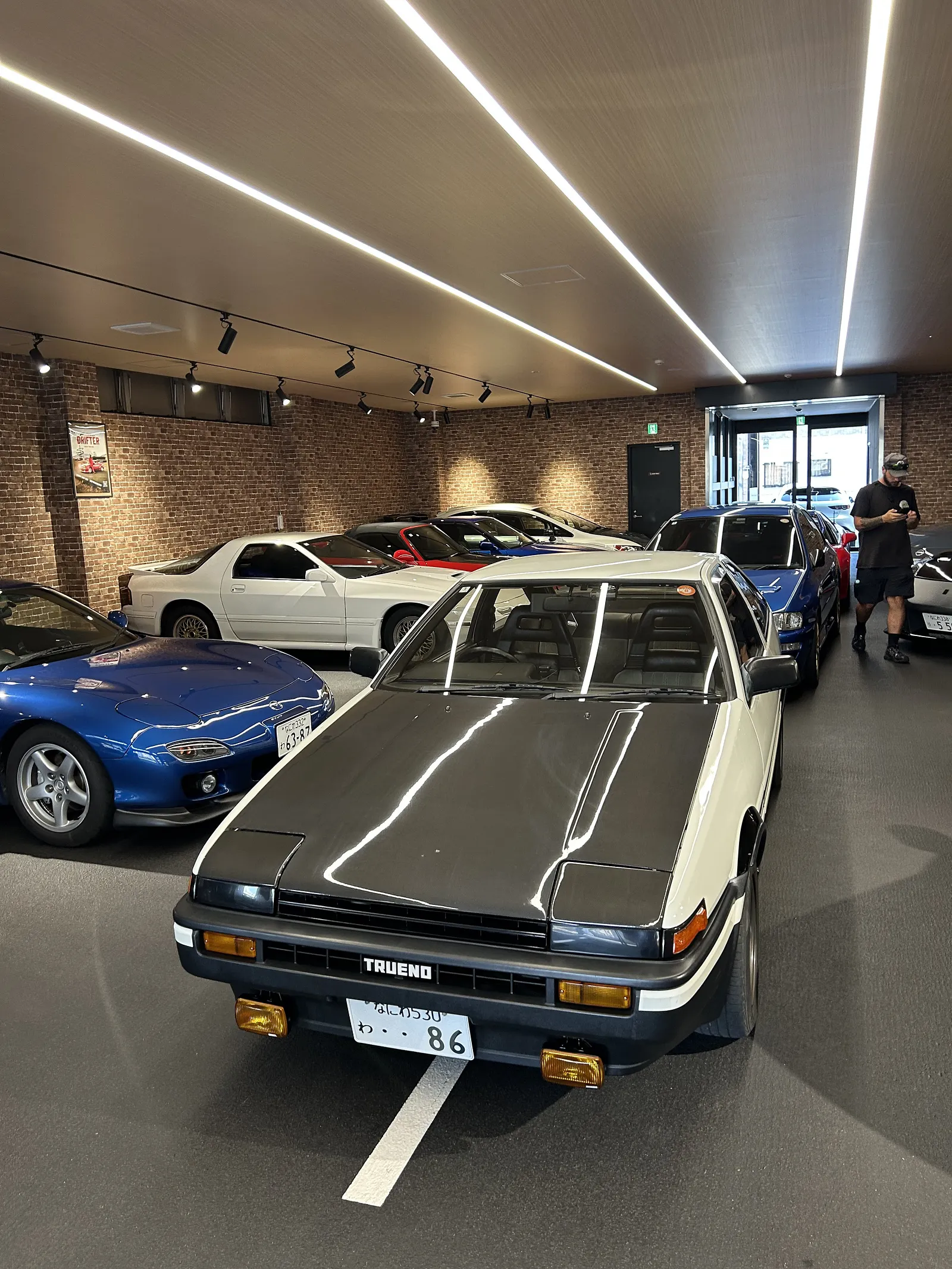
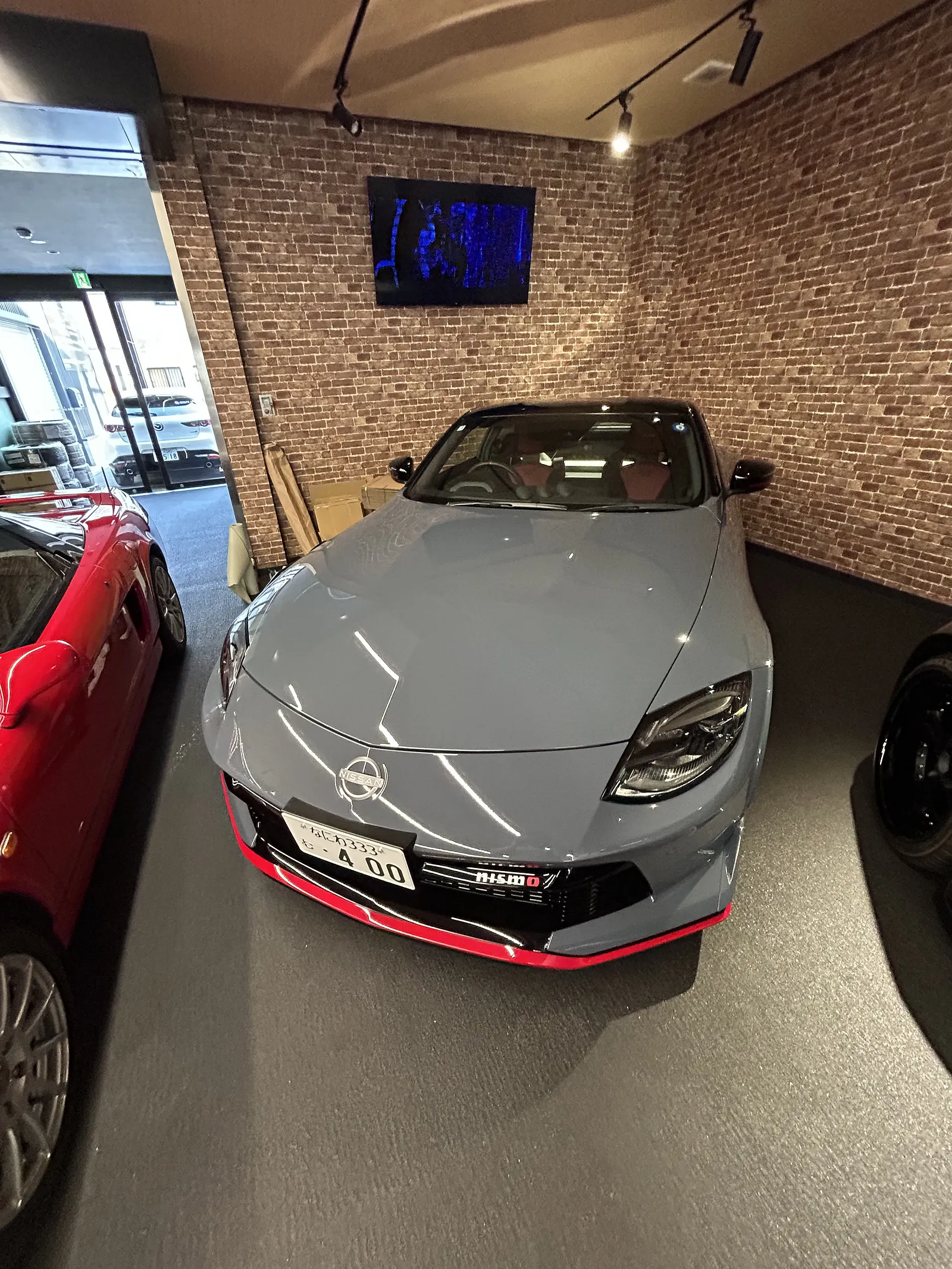
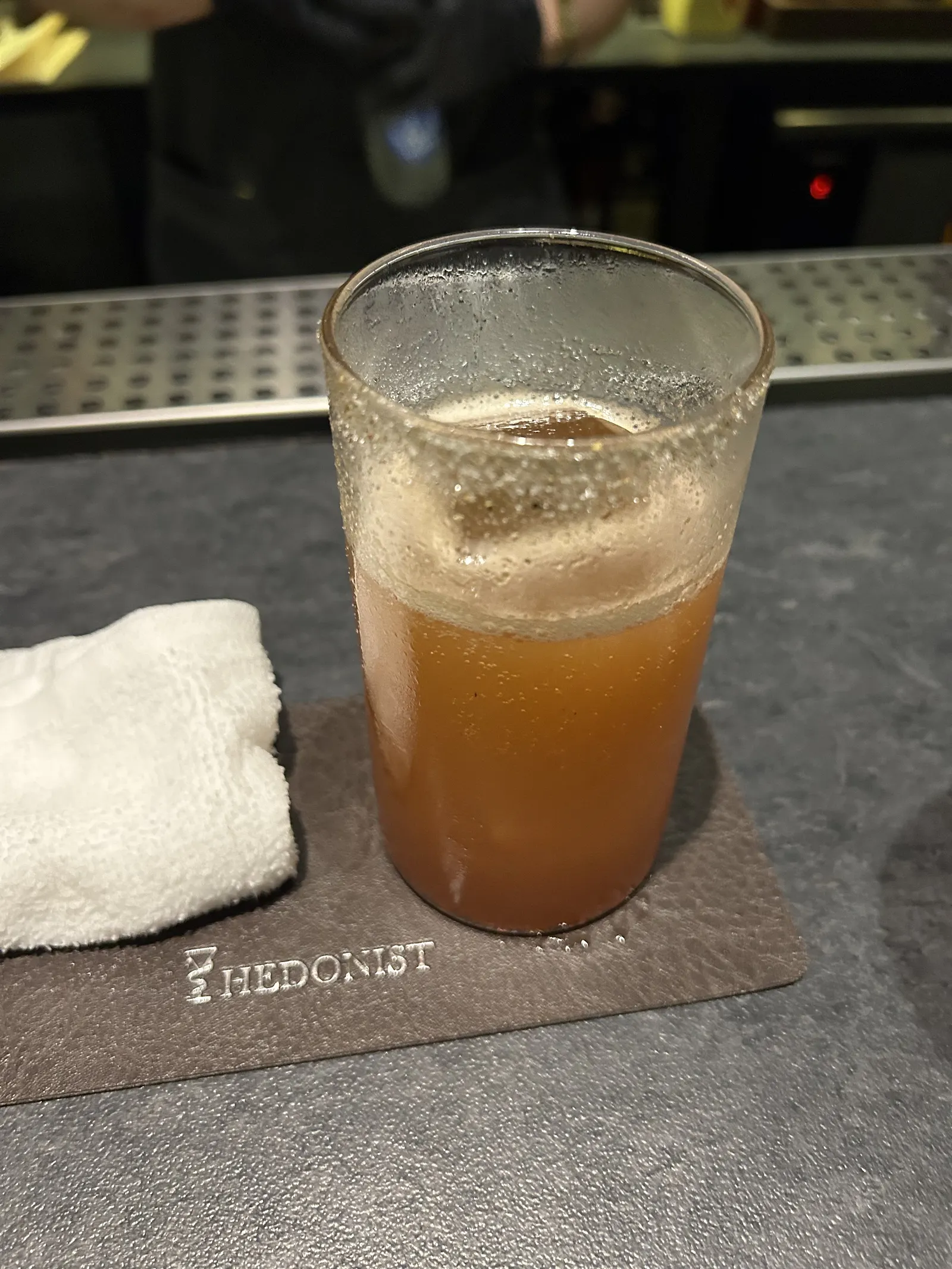
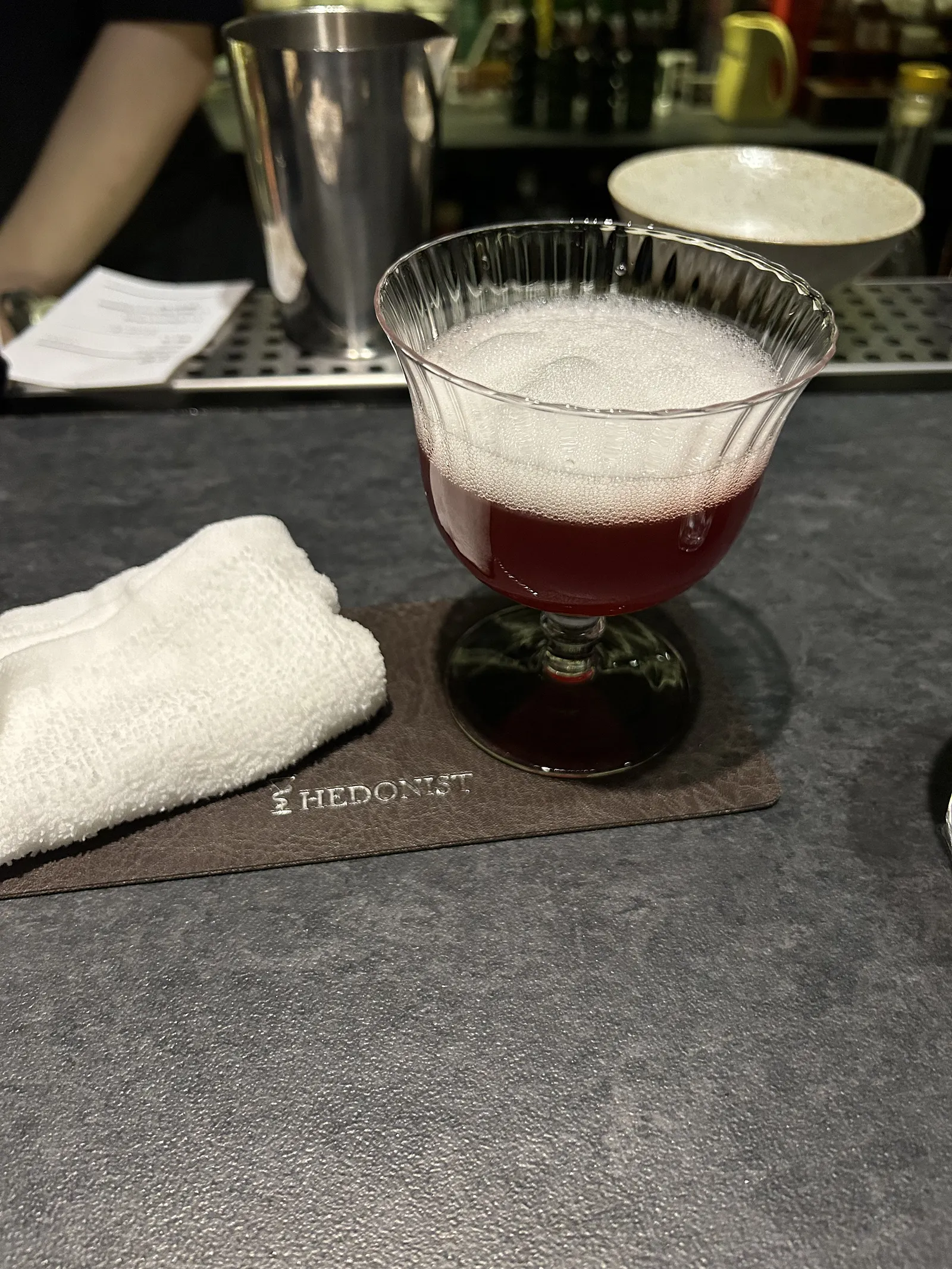
5) Don’t Feel Bad When Things Don’t Go as Planned
You lose your phone, drank too much last night, or maybe even got food poisoning — none which was supposed to happen but sometimes life has a way of screwing with your plans.
I went on a pub crawl one night in Istanbul and planned to souvenir shop the next morning and next thing you know I’m pulling a tacky chun at 10 in the morning feeling very fragile.
Funny enough I had also planned to grab souvenirs the day before but threw that away for a well needed beach day with these folks
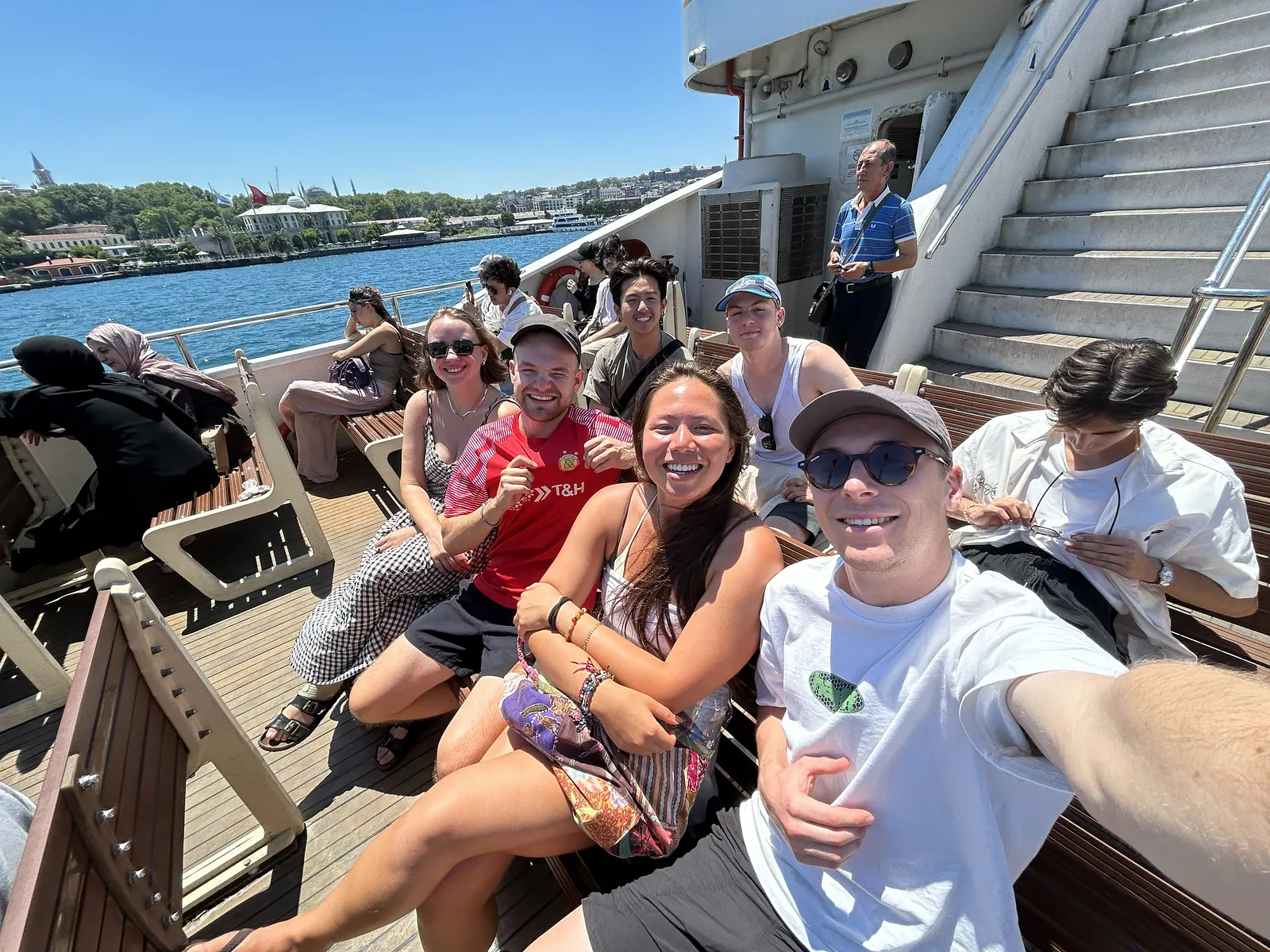
Solo traveling sharpens you adaptability and intuition. The quicker you grasp the possibility of things going wrong, the faster you will learn that sometimes it’s not the end of the world. What will save you is how you deal with the aftermath of things going south and being able to pivot quickly or allowing yourself to go with the flow. Having a support system of strangers does go a long way.
Our lovely pal Millie actually lost her cell phone the day before this pic, huge bummer but we cheered her up with a beach day (I hope so) and it provided some relief even if it was temporary. I also believe that the best parts of a trip often come from unexpected places the spontaneous outings leading to some random side quests. I would not have bonded with these folks if I decided to adhere to my checklist.
6) Share a Meal with Strangers
As Anthony Bourdain famously said “You learn a lot about someone when you share a meal together” and this couldn’t be more accurate. Food brings people together but the most important takeaway is that it breaks down social barriers and offers a glimpse into someone's background, values, and relationship with patience and manners.
I’ve been blessed with many instances but here are two that I want to highlight:
Istanbul - Suleymaniye Mosque (Süleymaniye Camii)
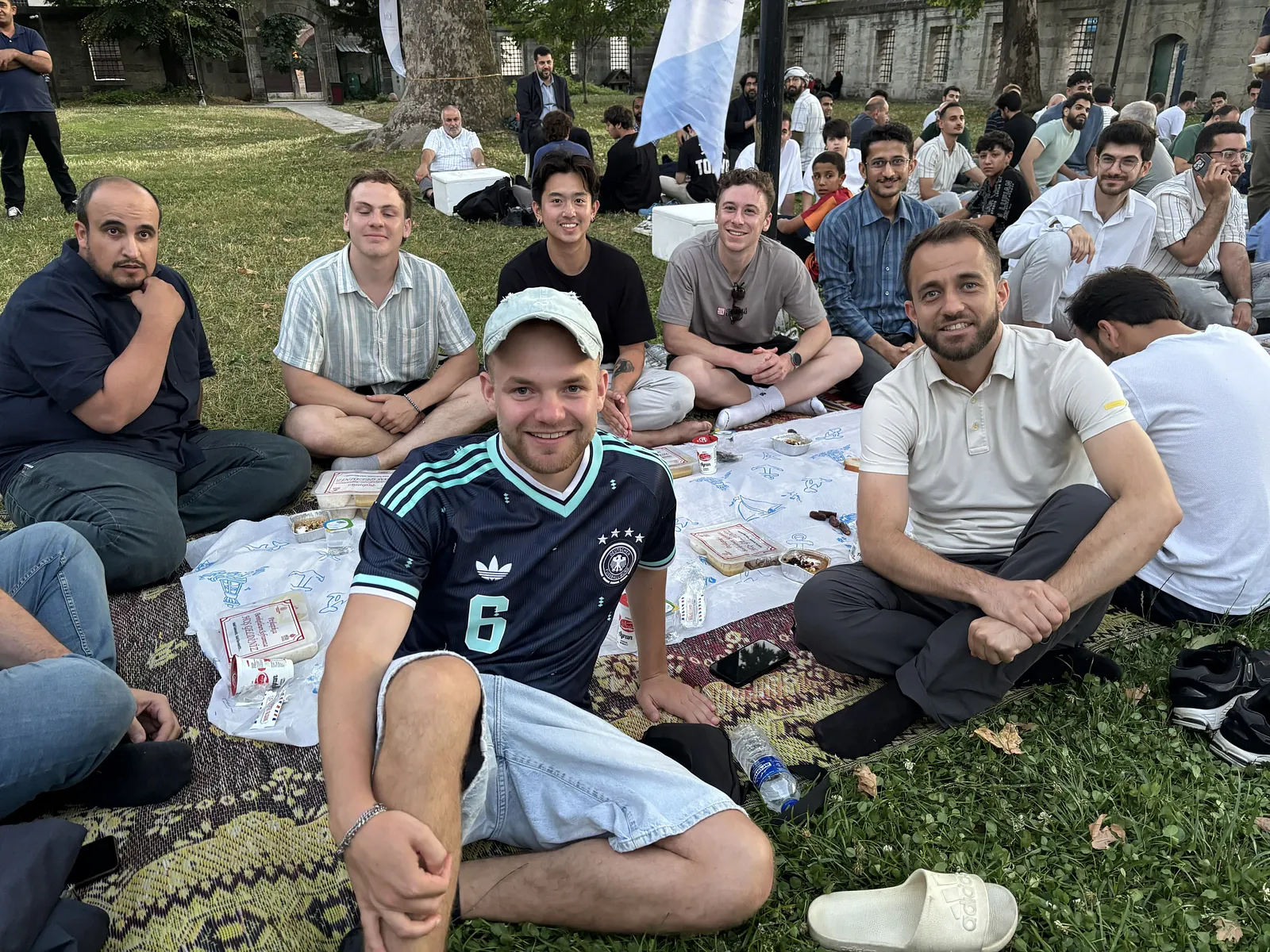
So fun fact I was exploring the Suleymaniye Mosque (beautiful free mosque btw if you can’t stand the long lines at the blue mosque) when all of a sudden one of the volunteers hails us and invites to iftar. Out of curiosity and fear of disrespecting their hospitality I accepted the invite. I had only known on the surface level that iftar was the meal after the fast ends (Muslims would typically fast when the sun is up) and that it was common during Ramadan. Much to my surprise that they fast on other days outside of Ramadan.
I was informed that it was a voluntary fast as it was Islamic day of Ashura which falls on the 10th day of Muharram (first month of the Islamic Lunar calendar). Fasting on this day is highly recommended and is believed to expiate the sins of the previous year, currying favors with Allah in a sense (I could be wrong but that’s how I interpreted this). Throughout this meal I developed a deeper understanding of Islam (the 5 pillars of Islam, the significance of fasting, unity and brotherhood, etc.). What surprised me the most was that most people in the picture were not Turkish, they had come from all other parts of the world: Pakistan, Egypt, Syria, etc. One of patrons explained how despite the language barriers, it is their faith that unifies them as brothers which allows them to understand one another. A cool fun fact is that dates are packed with fiber, electrolytes and complex carbs which makes them the ideal food to replenish with after fasting.
Ironically, this mosque is also very significant as it was completed in 1557 with the main purpose of serving as a masterpiece of Islamic architecture and a functioning hub for social welfare. The place is also a UNESCO heritage site. It’s crazy how I would not be sharing this all this newfound info with you all if I declined their invitation to share a meal.
Marrakech - 86 Chocolate
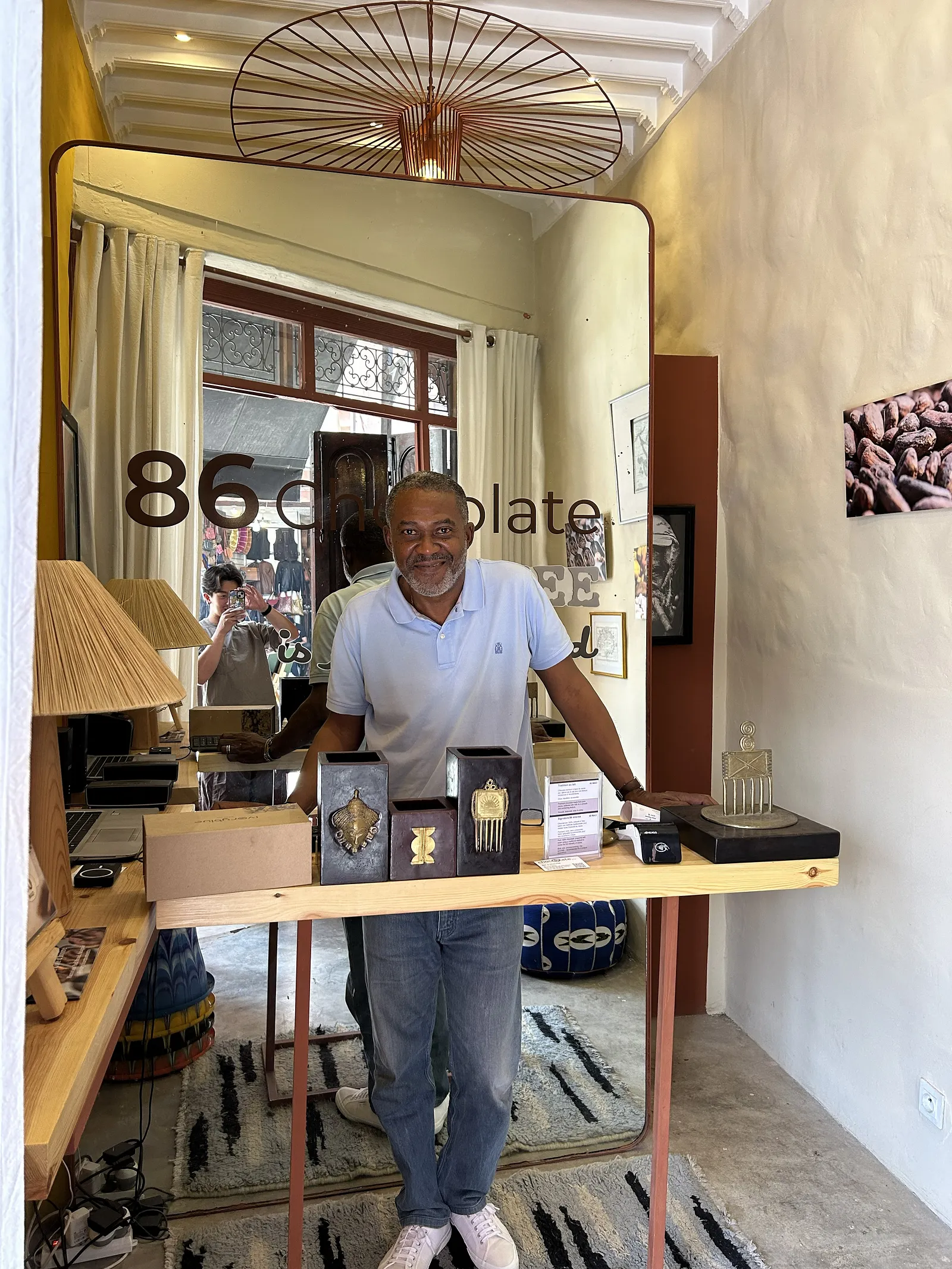
It was very warm in Marrakech (~110F or 43C for the rest of the world) and I happen to stumble upon this chocolate shop. Needing some shade I decided to pop in and get an iced chocolate. The shop is ran by a husband and wife duo and we chatted for quite some time such as the World Cup matches, different types of chocolate, and our origin stories. I later find out that they are from Côte d'Ivoire and source all their cacao from their own plantations. Essentially, they sell their cacao to many vendors across Morocco and this little café is just a passion project of theirs.
When it came time to pay, I was a few dirhams short (Cash is king in Morocco, most places don’t take card unless the minimum is met) and he let me off the hook. On my last day I came back to try the chocolate mousse and left a good tip. I also helped him take some pics (like this one) for his website and Instagram!
These are the moments that fuel my worldly curiosity and serve as a reminder to always embrace a beginner’s mind—you never know what you might discover.
7) You Can Build Your Career Anytime
In the US, there’s a societal pressure to begin university right after secondary school and enter the workforce or pursue graduate studies right after. Americans typically begin higher education around ages 17-18 with very few starting later. I found out that in other parts of the world this is not the case with the average age of people starting uni is around ages 22-25. This seems to be common for Danish people, in which I ran into quite a few throughout the trip. Instead of going to university at 18 most people take a couple gap years working and taking extended travels around the world. If I could go back in time, I would have taken a gap year before starting uni, it’s hard to figure out what you want your career to look like at the ripe age of 18 when you haven’t been truly immersed into the real world. I believe that entering uni at a later time helps with motivation and intention because at that point you would develop a better sense of what professions gravitate towards or run away from.
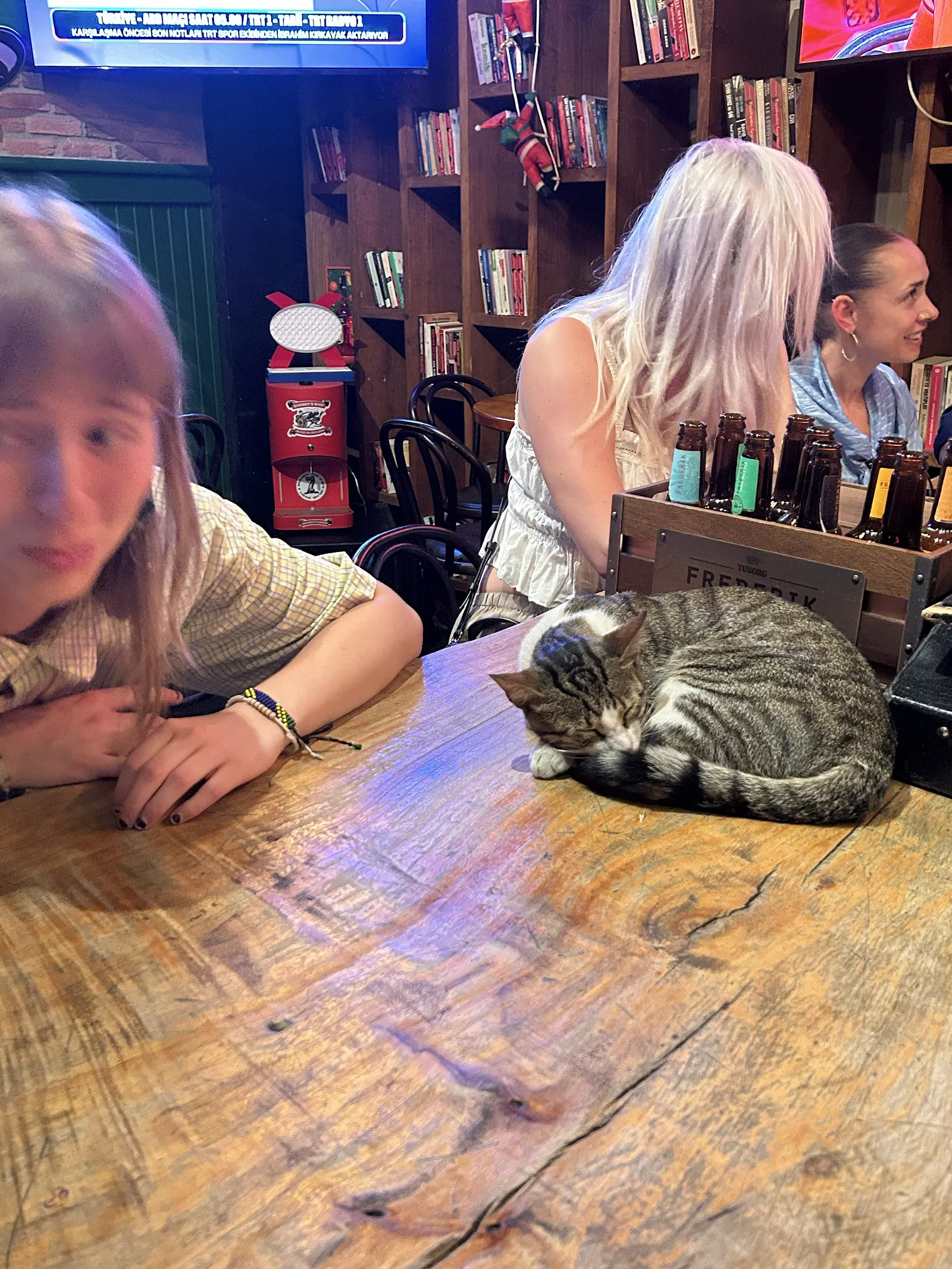
Additionally, there’s never a deadline to switch careers too. You can argue it’s more complicated when you have a family and mortgage to take care of. During my time in Singapore I got to catch up with an old friend whom I haven’t seen since pre-COVID (A long time). He’s has a multitude of career pivots over the past 6 years but is now currently settling into the hospitality sector (also wrapping up an apprentice based in Switzerland). It was very relieving to hear as someone who is contemplating making a career pivot, as it’s better to make the change now rather than sit in an environment where you feel like you don’t belong.
8) Choose your hostels wisely
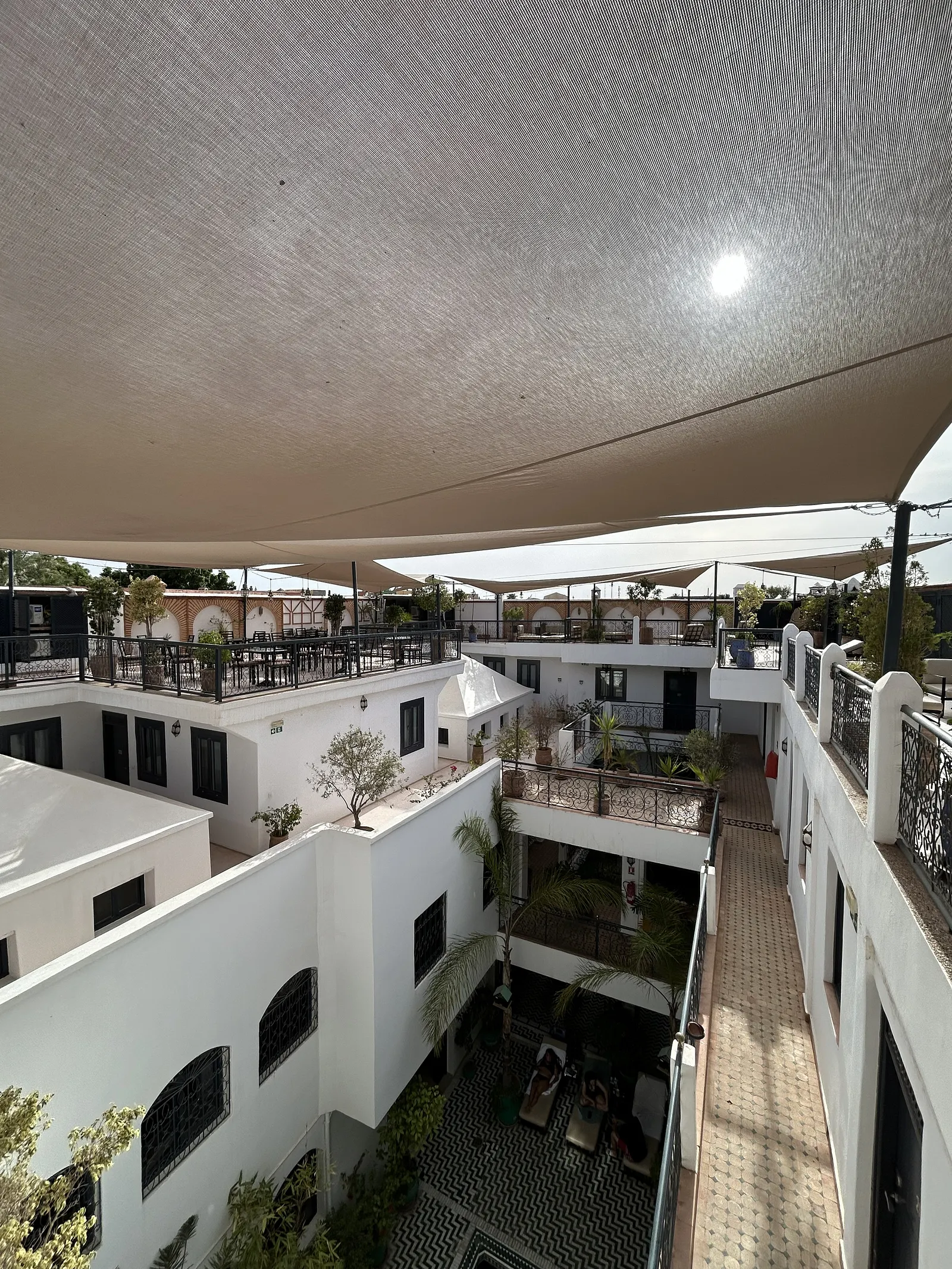
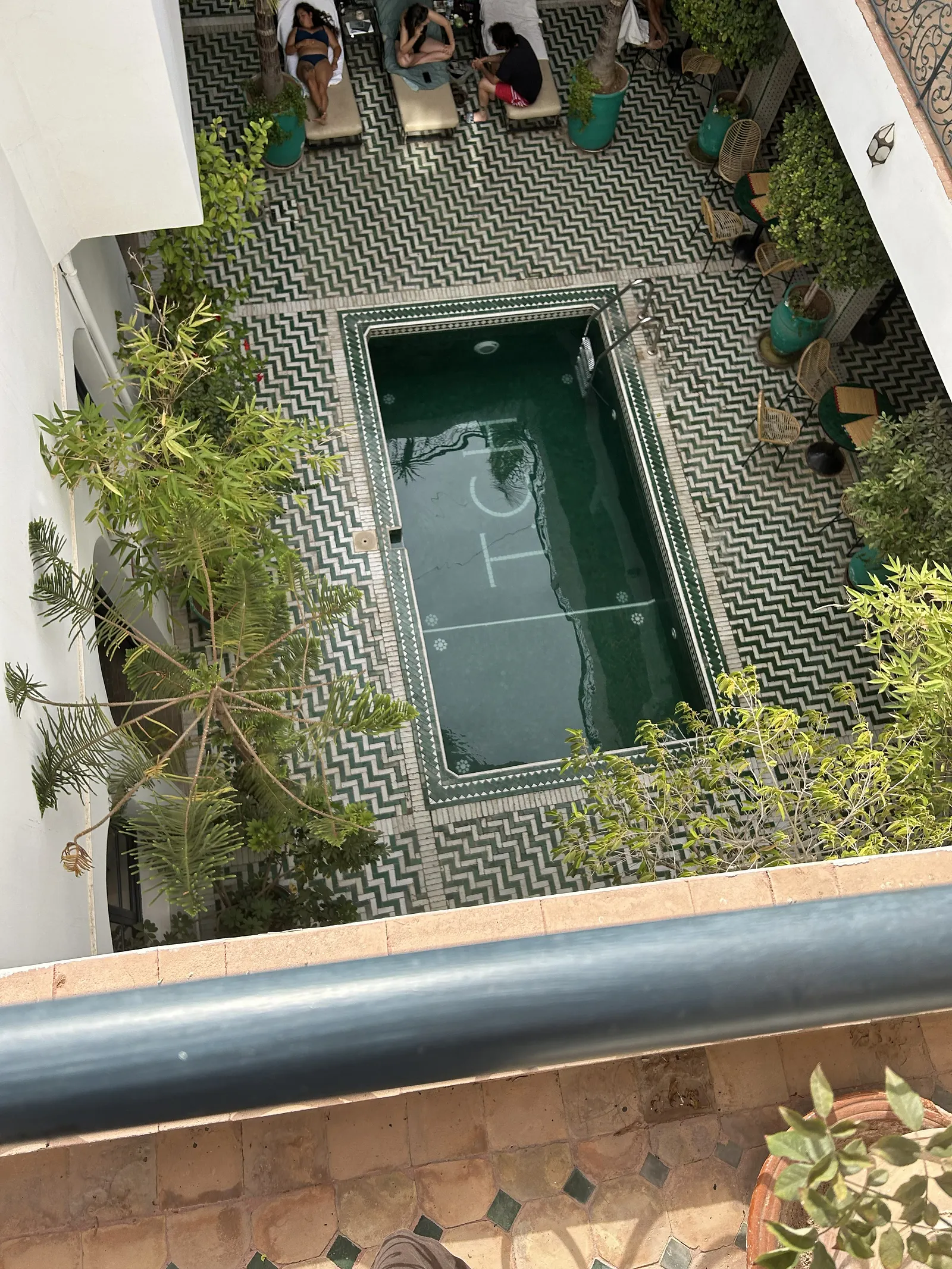
Not all hostels are created equally, it’s important to do your research beforehand. I typically prioritize based on 3 key criteria:
- Clean Bathrooms —> If I have to share the showers it better be decently clean, no one likes stepping in puddles
- Location —> Anything in city centers OR within 2-5 mins walking distance to public transportation (You’ll thank me later)
- Vibes —> I’ll elaborate more below
- Added bonus —> number of people per room
- My max per room is 8, anything more than that is a recipe for disaster
- I once stayed at a 14 person dorm in Amsterdam and the amount of body heat inside that room made me so blessed to have top bunk next to the open window — lesson learned
Types of Hostels
- Party hostel — think shots at check-in, a bar downstairs, and zero chance of sleeping before 2am (great for one wild night, brutal for six in a row)
- Great if your 18-22 or a huge partygoer (I’m retired from that life now)
- Social but chill hostel — communal dinners, rooftop hangouts, people actually talking to each other, but lights out by 2am
- What I try to shoot for whenever I travel solo, its okay to crack a beer or two but not be hungover
- Digital nomad hostel — private-room with a shared kitchen, better for solo travelers who want community by day and silence by night
- Often not as much socializing because you’re a migrant worker or you literally have to log on for remote work. Great for extended stays
- Pure crash-pad hostel — literal bed and breakfast, just a clean bed and shower near the train station for one night before you move on.
- You’ll typically find people who have long layovers or stopovers at these places, you might not see them when you wake up
There is no one “best type” of hostel. They’re just built for different versions of a trip — and sometimes different versions of you, depending on the day. The mistake I kept making early on was picking based on price and star rating alone, without asking what kind of night I actually needed. Once I started reading reviews for vibe instead of just cleanliness, my trip got a lot smoother and a lot more of my nights actually matched what I needed them to be.
I’ve been lucky enough to not accidentally stumble onto full blown party hostels but I was misled when some hostels highlight a social environment only to arrive and see people barely interacting with each other or barely any solo travelers. I have no secret formula on finding the best social hostels (if anyone does please let me know) but next time I will be peering reviews from specifically solo travelers as they tend to be a bit more accurate compared to a friend group of 4.
9) Not Every Stranger is Out to Swindle You
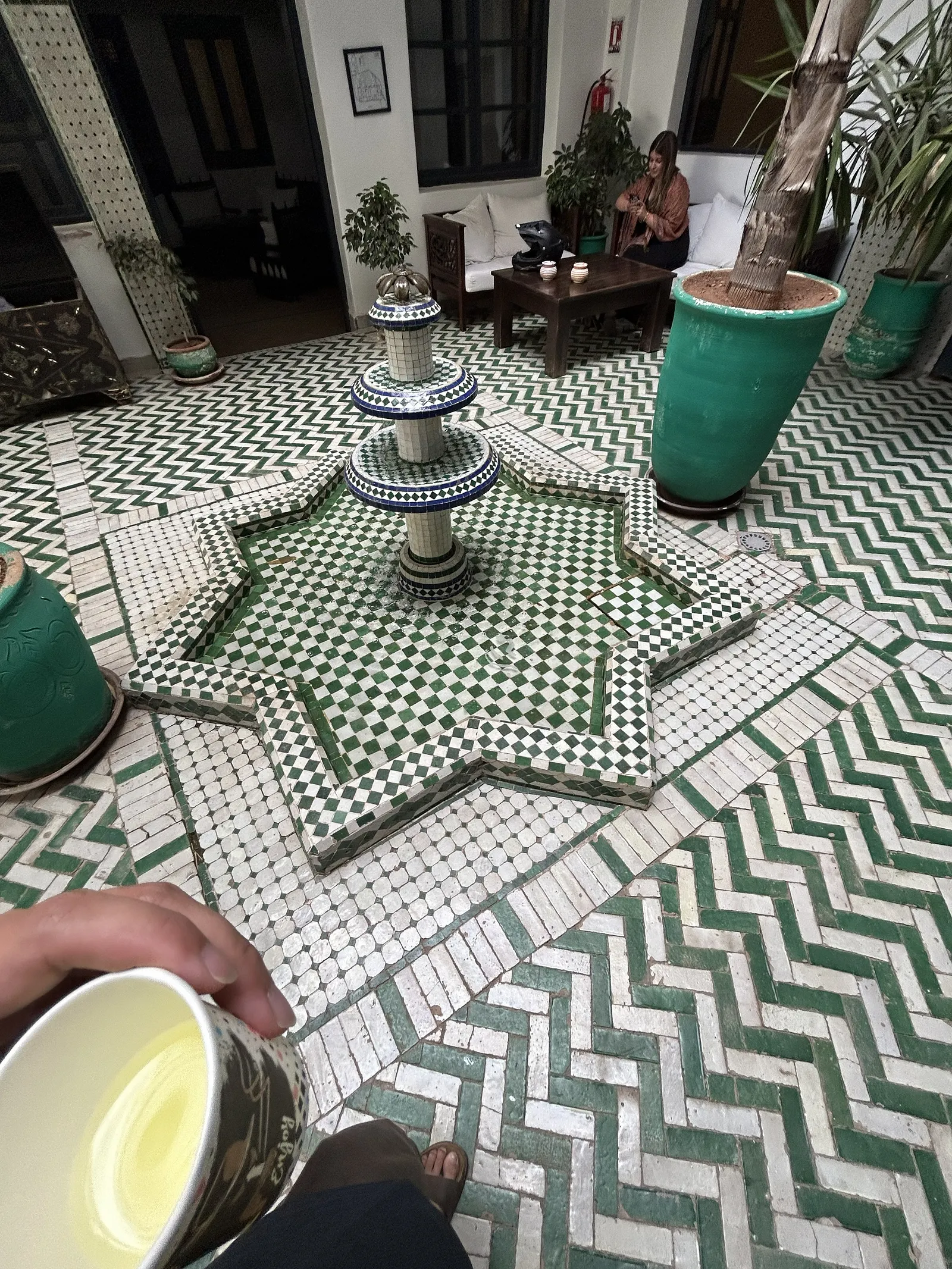
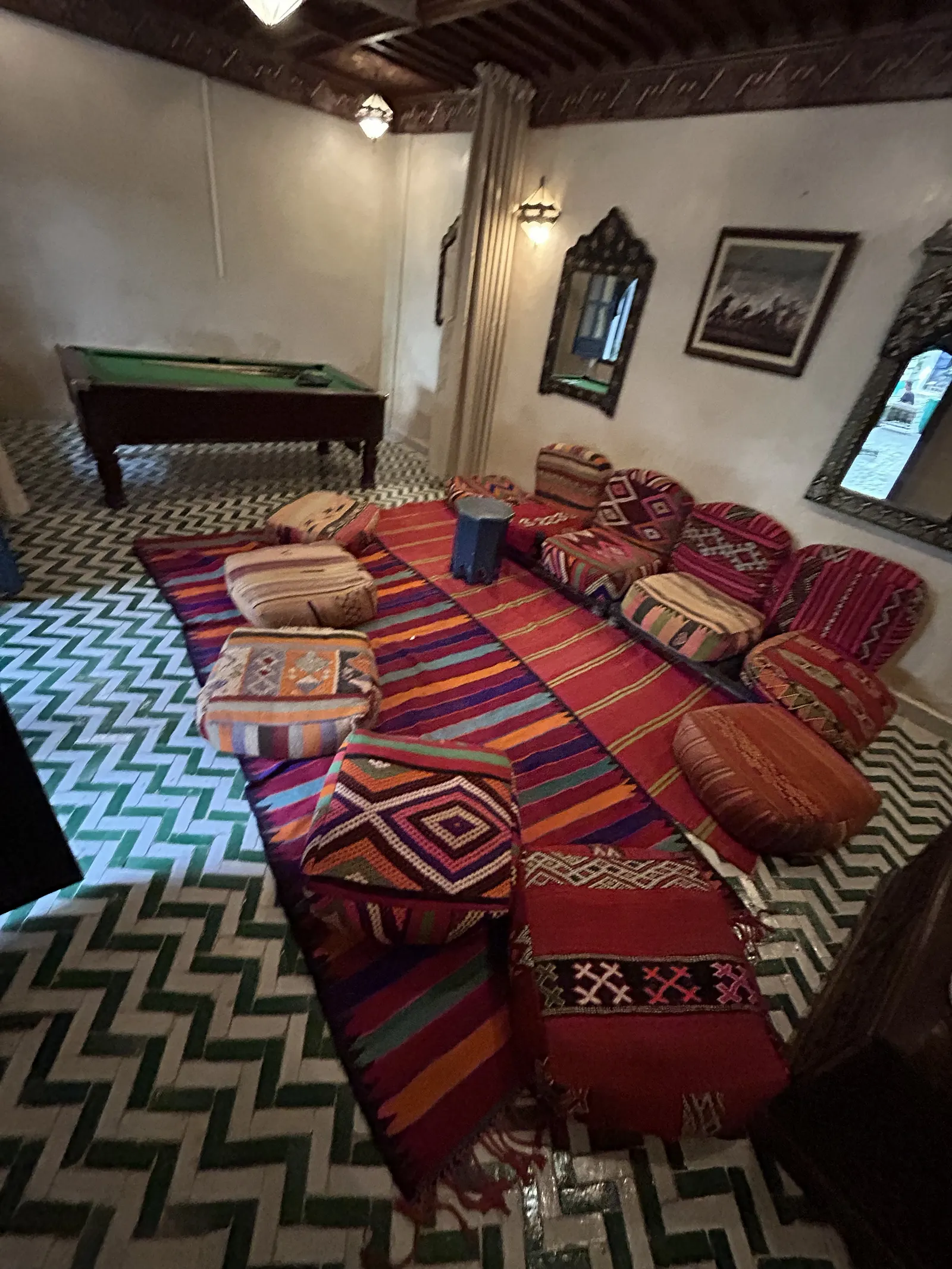
This can be a very hard concept to wrap around. Yes you’re a foreigner which makes you a high value target but more often than not most people are willing to assist out of their own goodwill. I will acknowledge that I’m a medium sized male and the privileges that come with are not universal to everyone. From my own observations, especially from places where I’ve been told to remain vigilant such as Morocco and Ethiopia, the people were very warm and welcoming, eager to share a bit of their culture to me. I will admit whenever shopkeepers heavily insisted to join them for tea or coffee I kept my guard up in case they tried to sell me a product or service that I didn’t need (some of them did btw) but once I held my ground or clearly indicated that I was not interested, they respected my autonomy and let me be.
However, when you are shopping in a place where haggling is allowed, all bets are off everyone is truly there to charge the tourist tax. I felt the most in Vietnam and Morocco but I was creative enough to skip the haggling and just gamble best out of 3 in rock paper scissors. If I won then I get 50% off but if I lost I pay an extra 20% on top of asking. Needless to say my win/loss ratio was pretty favorable, is it concerning that everyone has a bit of gambling tendencies? (myself included)
10) Perspective is the Best Souvenir to Take Home
Aside from the shopping haul I brought back home, I came home with something I didn’t have room for in my suitcase —a completely rearranged sense of what actually matters.
You don’t get that from the pictures you take to curate your social media feed. You get it from the in-between moments — watching the resiliency and unity among the people of Ethiopia after everything the country has been through, and realizing why they are so proud of their culture and faith. You get it from a stranger in Marrakech pouring you a third glass of Moroccan whiskey you didn’t ask for and end up celebrating together on that one World Cup game where Morocco won against the Netherlands. You get it from being fed like family in a Turkish lokantasi that had no obligation to feed you endless tea and desserts after only ordering one entrée, and understanding the nuances behind Turkish hospitality. You get it from having your Grab driver in Vietnam putting their lives on the line delivering your food despite a violent thunderstorm and realize the stakes they go through in order to make a living for their families.
None of that fits in a suitcase, it just alters your brain chemistry. You start measuring your own life against a wider set of examples — what “enough” looks like and how little you actually need to feel at home somewhere.
That’s the part nobody warns you about before a trip like this: the places don’t just get added to a list you can check off. They get folded into how you see everything else — your job, your relationships, your definition of a good day. You come home with the same passport(maybe a little more stamped) and a completely different lens on the life you’re walking back into.
That’s the type of souvenir that never fades away but rather becomes a part of your life’s story long after the trip ended.
Final Thoughts
People keep asking me what my “favorite” part of the trip was — which country, which meal, which sunset and I never have a clean answer. The truth is that the best parts was everything that I had originally never planned for. The slow days I let myself take without guilt, the last minute surf session, the random auntie who invited me into their home to auction their daughter off to me (I kid you not she was trying very hard to matchmake). I initially set off on this journey not knowing what was waiting for me on the other side. There was a lot of uncertainty but I’m proud of myself for navigating through it with ease and going off the beaten path (half the places I went to were rated as a level 3 advisory from the US State Dept.)
I left with a suitcase and a checklist. I came home feeling more connected to my Vietnamese heritage, reclaiming a culture that had taken a backseat while growing up. I now know more about the Amazigh population within Northern Africa, the significance of Nyona cuisine, how the Macau style pork chop bun was derived from the Portuguese bifana, and so many more random cool facts.
The most important part was that the life waiting for me back home would look a little different now because I have endless wild stories to tell and new friends scattered all around the world that I can’t to visit someday.
Two months isn’t long, but it was enough to remind me that you don’t need a plan for every day, you just need to be willing to go with the flow.
Originally published on Substack.
More from the blog
Oct 20, 20269 min readSubscribers
Points maxxing
A little glimpse into how I operate and spontaneously full send on trips without ever worrying about budget
Sep 11, 20268 min read
Jet Lagged 001: Saigon (HCMC), VN
Notes from a rough landing
Sep 10, 20261 min read
Hyatt x Delta Airlines partnership
And a farewell to American Airlines I guess